


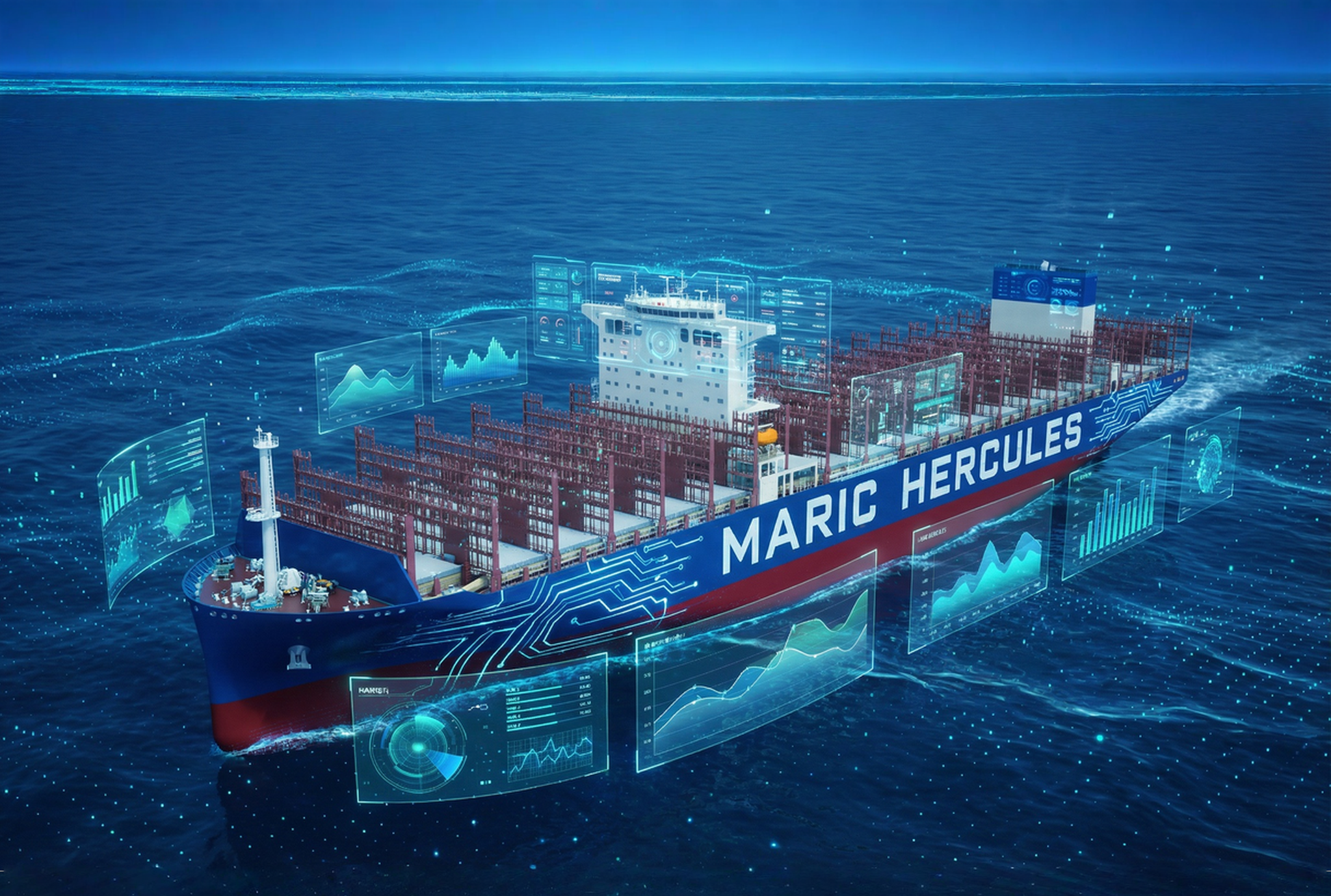
Based on parametric modeling and modular configuration techniques, a rapid prototyping framework is established to support early-stage technical studies and feasibility assessment.
Through three-dimensional visualization, configuration exploration, and parallel generation of multiple design options, technical communication that traditionally relies on experience and textual descriptions is transformed into perceptible and verifiable representations of spatial and system concepts.
By clarifying technical boundaries, validating requirement rationality, and verifying solution feasibility at the early stages of a project, this capability effectively reduces the risk of major design changes in later phases.
Through three-dimensional visualization, configuration exploration, and parallel generation of multiple design options, technical communication that traditionally relies on experience and textual descriptions is transformed into perceptible and verifiable representations of spatial and system concepts.
By clarifying technical boundaries, validating requirement rationality, and verifying solution feasibility at the early stages of a project, this capability effectively reduces the risk of major design changes in later phases.
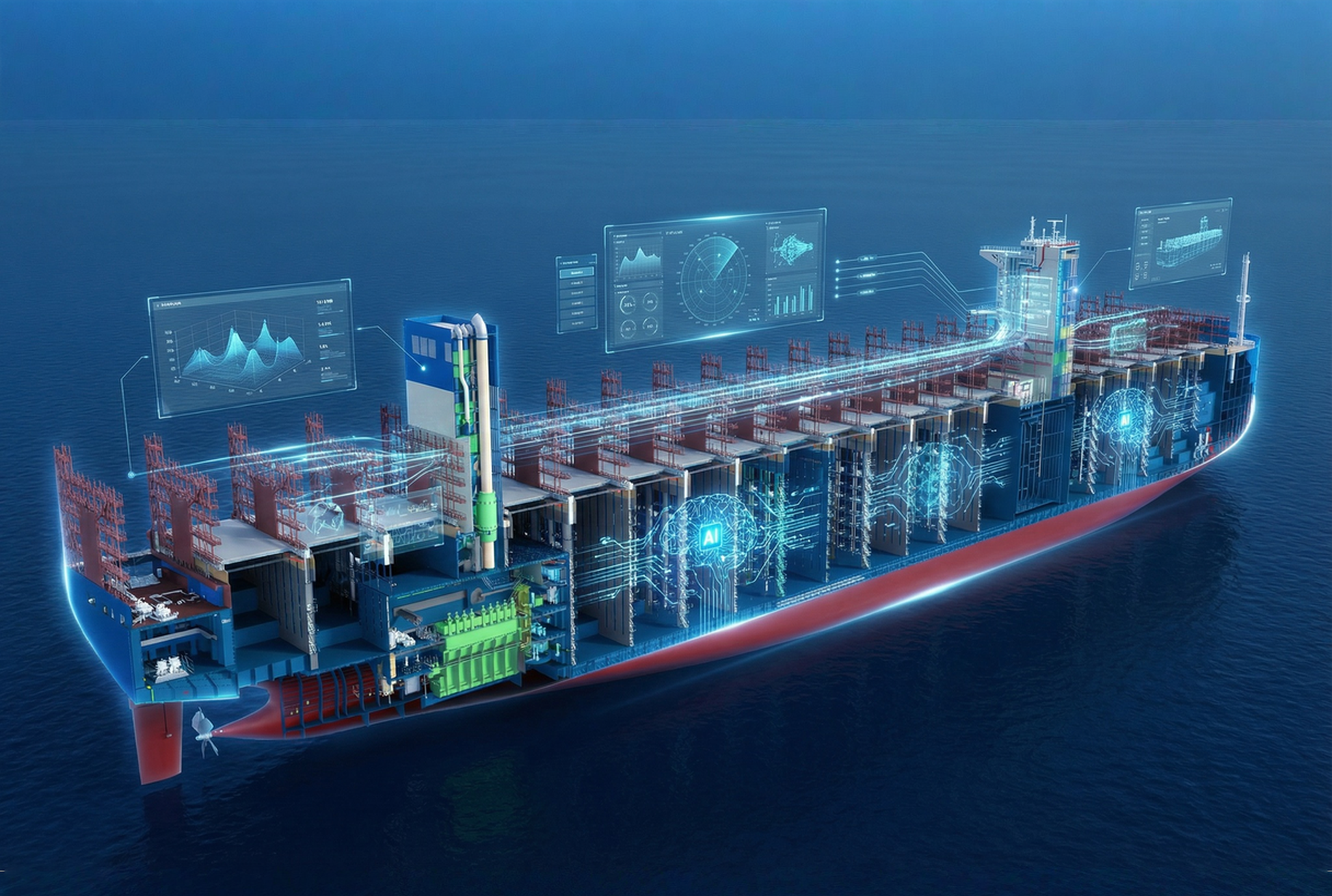
By structurally capturing design codes, engineering experience, and typical solution patterns, a knowledge-driven agile design framework is established.
During the design process, key decisions are supported collaboratively by rules, constraints, and knowledge models, reducing reliance on individual experience and achieving simultaneous improvements in design quality and efficiency.
This framework enhances the controllability and reproducibility of the design process, providing stable and scalable support for the delivery of complex engineering projects.
During the design process, key decisions are supported collaboratively by rules, constraints, and knowledge models, reducing reliance on individual experience and achieving simultaneous improvements in design quality and efficiency.
This framework enhances the controllability and reproducibility of the design process, providing stable and scalable support for the delivery of complex engineering projects.
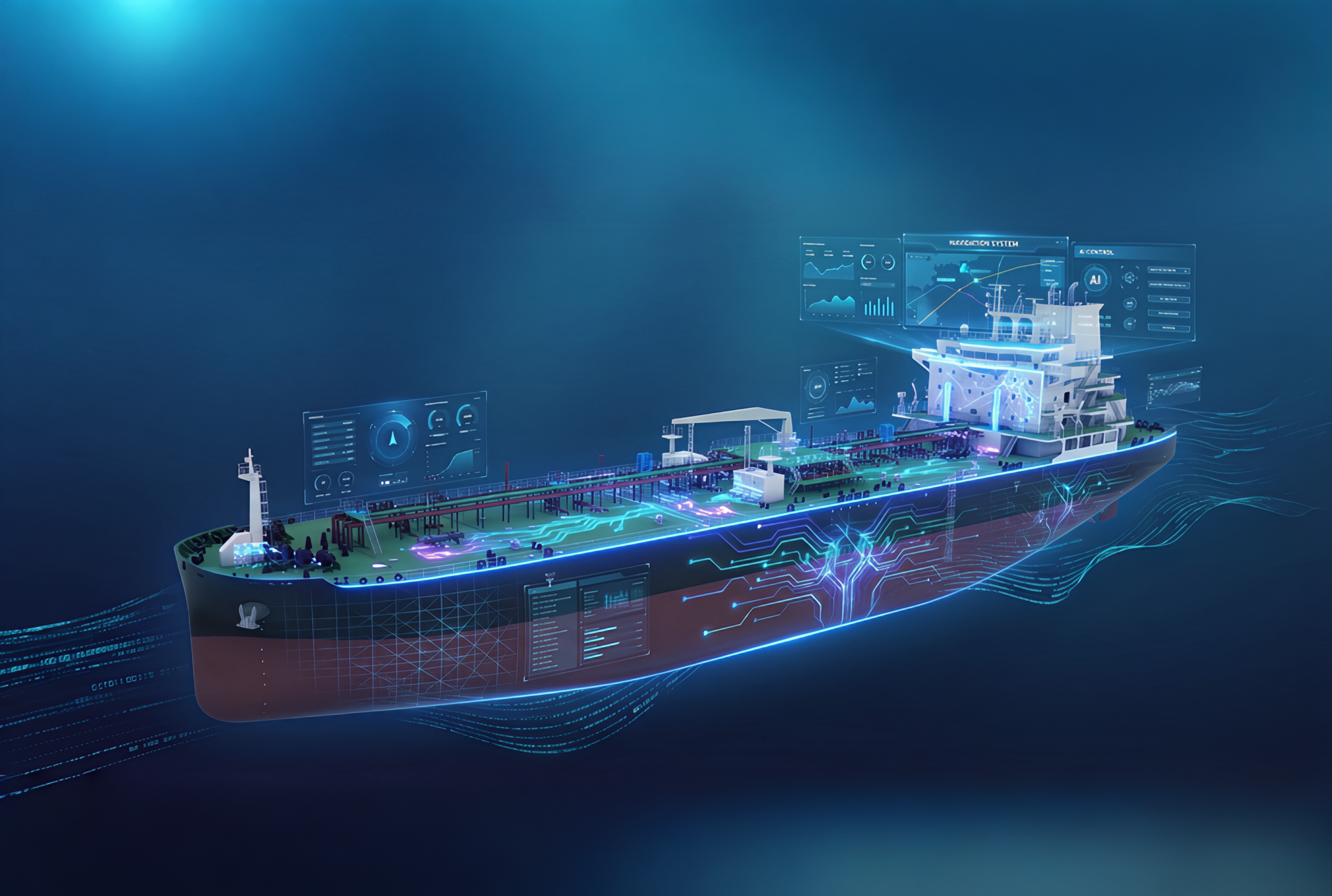
Through a technical framework that tightly integrates design with multi-disciplinary simulation, coordinated verification of structural integrity, performance, and operating conditions is achieved.
By introducing virtual testing and multi-scenario analysis at the design stage, issues are identified earlier and decisions are made proactively, avoiding reactive modifications after design completion.
This capability provides a more robust technical basis for ensuring safety, reliability, and adaptability in complex systems.
By introducing virtual testing and multi-scenario analysis at the design stage, issues are identified earlier and decisions are made proactively, avoiding reactive modifications after design completion.
This capability provides a more robust technical basis for ensuring safety, reliability, and adaptability in complex systems.
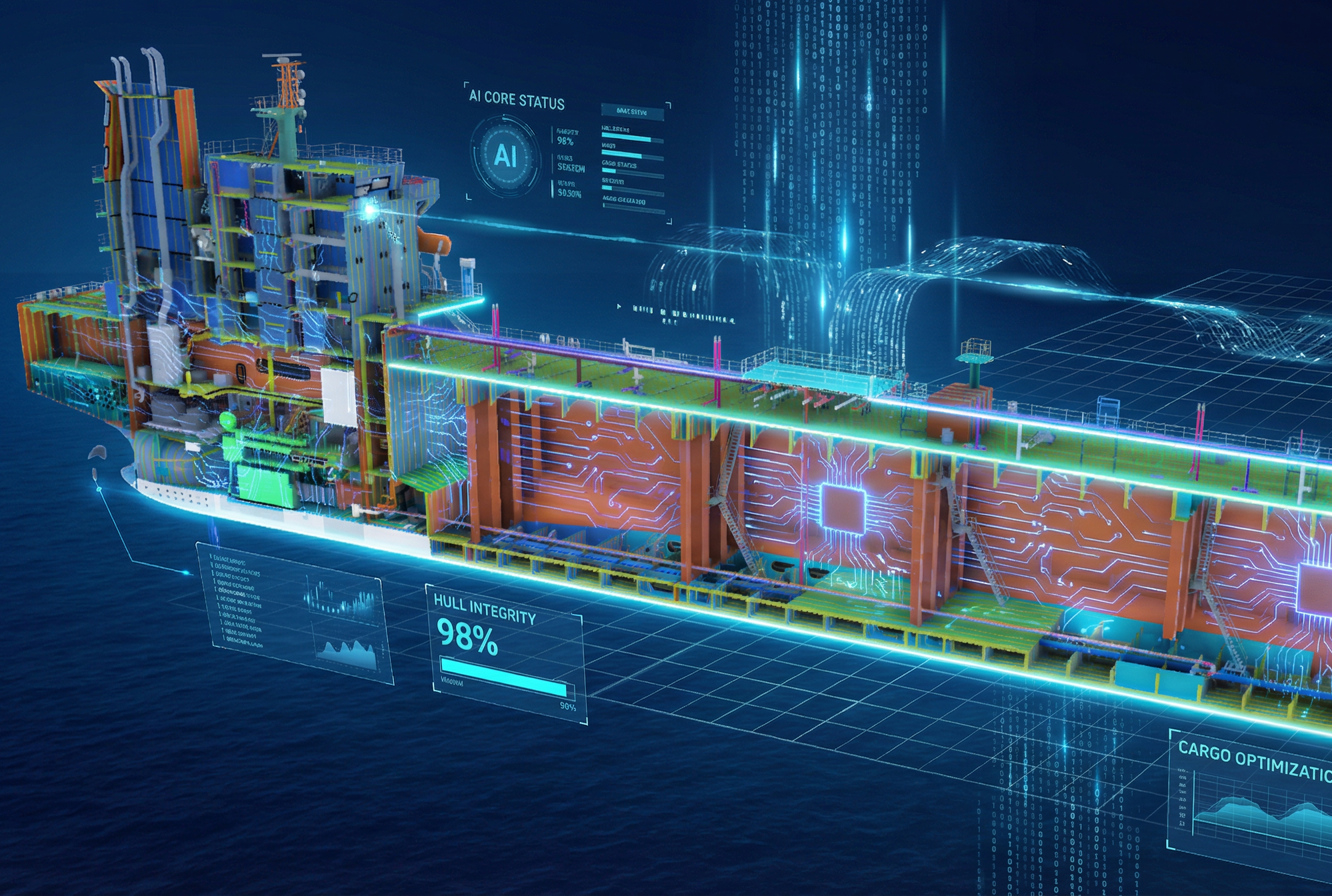
For complex engineering systems involving multiple disciplines and high levels of coupling, a collaborative design and conflict management mechanism is established based on three-dimensional models.
Through a unified data backbone and explicit spatial semantic constraints, real-time collaboration and consistency validation across disciplines are enabled, preventing information fragmentation and repetitive rework.
By systematically identifying and resolving spatial, interface, and functional conflicts during the design stage, this capability significantly improves overall constructability and engineering quality.
Through a unified data backbone and explicit spatial semantic constraints, real-time collaboration and consistency validation across disciplines are enabled, preventing information fragmentation and repetitive rework.
By systematically identifying and resolving spatial, interface, and functional conflicts during the design stage, this capability significantly improves overall constructability and engineering quality.
