

Knowledge-Driven Agile Design: From Experience Dependence to Institutionalized Capability
‘We rely on institutionalized design systems rather than individual experience alone.’
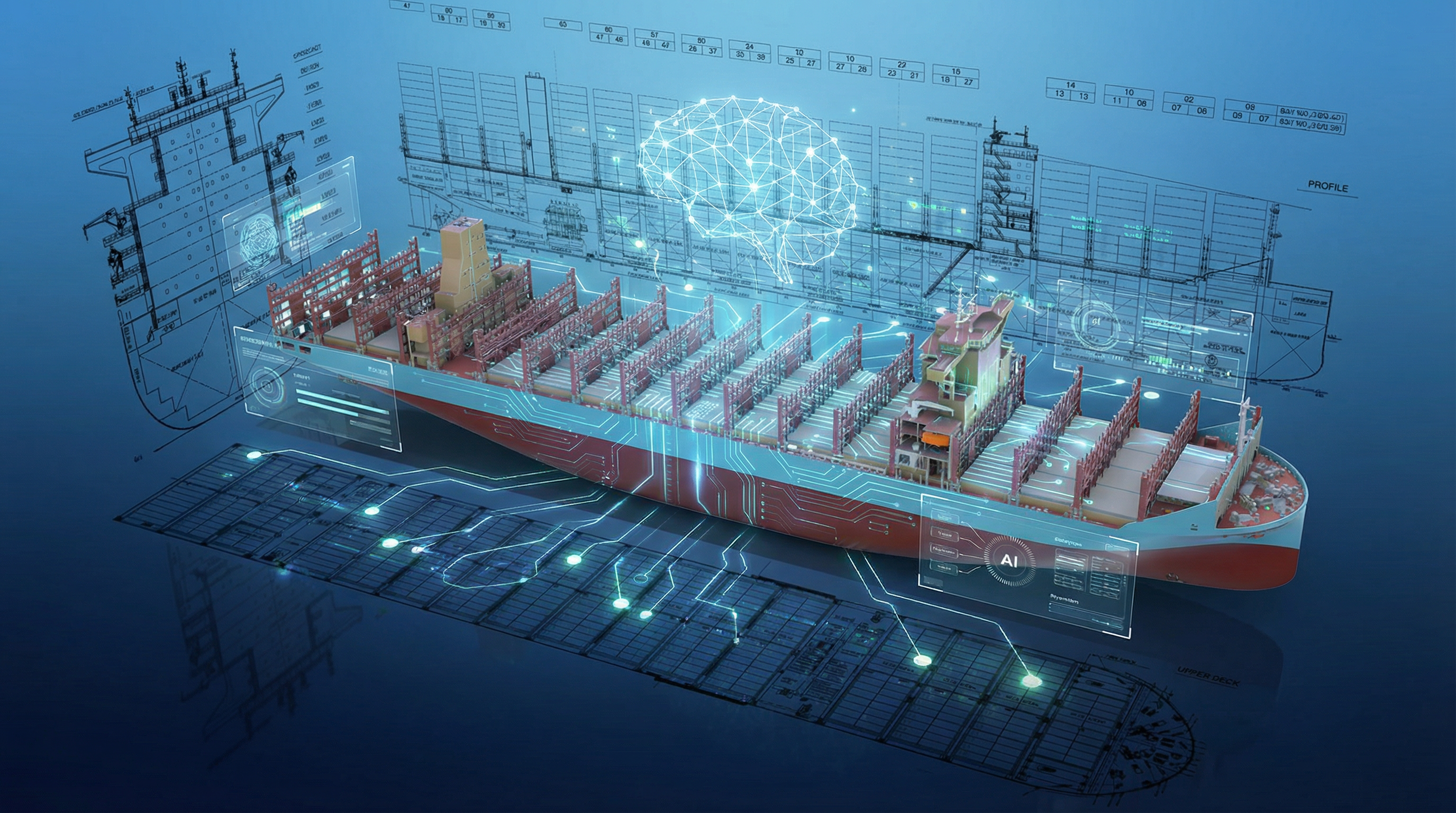
As engineering systems continue to grow in complexity, reliance on individual experience and linear design workflows is no longer sufficient to ensure high-quality and efficient delivery. In response, we have introduced a knowledge-driven approach into our digital design system, transforming dispersed knowledge embedded in codes, standards, engineering experience, and historical projects into structured assets that actively support the design process, thereby enabling an agile and consistent design system.
This system is built upon design rules, engineering constraints, and typical solution patterns, and integrates knowledge models with design models to embed decision logic directly into the design workflow. During scheme development and parameter adjustment, designers are guided by explicit constraints and validated knowledge, effectively reducing low-level errors and unnecessary repetitive verification. Rather than limiting creativity, this approach clarifies design boundaries, allowing designers to focus their efforts on critical issues and innovation.
Through continuous accumulation and refinement across projects, design capability is no longer dependent on a small number of individuals but is progressively institutionalized as an organizational asset. For new projects, new personnel, and emerging business areas, this system significantly shortens learning curves and enhances the stability and predictability of the design process. Across general arrangement, structural, and outfitting design domains, the knowledge-driven agile design model has become a critical enabler for enhancing efficiency and quality, and for supporting the scalable implementation of complex engineering projects.
